
The Summer, 2023 SKI Landscape newsletter is waiting for you! Enjoy some great summer reading!7/6/2023 Click below to learn about Land Art, Quokkas, Potatoes and more !
0 Comments
The Declaration of Independence was not signed on July 4, 1776. That’s actually the day it was formally adopted by the Continental Congress, but it wasn’t signed by most signatories until August.
July 27 is “Take your houseplants for a Walk Day”. What? Divide and replant iris. Start seedlings of broccoli, cauliflower, and cabbage now so they can be transplanted in the fall. Americans typically eat 150 million hot dogs on Independence Day, enough to stretch from Washington D.C. to Los Angeles, CA more than five times. If you feel tired in the afternoon, don’t reach for a caffeinated drink, pick up a cucumber. Cucumbers are a good source of B vitamins and carbohydrates that can provide a quick pick-me-up that can last for hours. They are also good for avoiding a hangover or terrible headache! The inventor of the television, Philo T. Farnsworth, lived in Fort Wayne, Indiana. Scratching an itch triggers a small amount of pain that numbs the itch but causes the release of serotonin, which also carries the “I’m itchy” signal to the brain. As the pain fades, the itch returns even stronger. Try rubbing the area with your palm instead. The original 3 Musketeers bars of the 1930s came in three-packs, with a different nougat flavor in each: vanilla, chocolate, or strawberry. World War II rations made that triple threat expensive, so the company cut down to one. About a month after the Statue of Liberty’s 1886 dedication, it became a working lighthouse for 16 years, with its torch visible from 24 miles away.  June is derived from Juno, the goddess of marriage and childbirth.
Flag Day is a celebration of the American flag that occurs each year on the anniversary of the flag’s official adoption, June 14, 1777 in the midst of the Revolutionary War. Add additional mulch to gardens and flowerbeds to conserve water and minimize weed growth. Place row covers or netting over bushes with ripening berries to keep the birds from eating them. To prevent flowers from wasting energy on producing seed, deadhead your spring bulbs after they are done blooming. Also, fertilize them but wait until the leaves have yellowed before trimming them off. Trim your lawn before you mow, then let the mower clean up the trim work. If you have allergies, know that pollen levels are usually highest before 10 a.m. Apiphobia—a fear of bees. The strongest muscle in the body is the tongue. North Korea and Cuba are the only two countries in the world where Coca Cola does not exist due to long-term US trade embargoes.  In 1909, 3.2 million street paving bricks were laid around a 2.5 oval. “Brickyard” became the nickname for the Indianapolis Motor Speedway.
The first race was on May 30, 1911 and was won by Ray Harroun. $1.00 was paid for admission by 80,200 spectators. Harroun’s race winnings were $14,250. Ray Harroun was also the first winner who drove solo instead of taking along a “riding mechanic” like everybody else did back then. Lacking a second set of eyes, he compensated by bolting a rear-view mirror onto his Marmon Wasp. Legend has it: when peanut shells were found in the seat of a crashed car in the 1940’s, they became known as bad luck. It is considered bad luck to enter and exit from the same side of the car. Green cars are also considered bad luck at the IMS. 8 miles of hotdogs and bratwursts are consumed by spectators, not to mention, 475 gallons of ketchup with 24,000 lbs. of track fries. When the winning prize, the Borg-Warner Trophy, was commissioned in 1936, it had a value of round $10,000. Today, the sterling silver trophy is valued at more than $1 million. Indy winners are given a miniature replica of the Borg-Warner trophy called the Baby Borg to take home. The youngest winner of the Indy 500 was Troy Ruttman, age 22 in 1952. The oldest winner was 47-year-old Al Unser in 1987. Rick Mears won the pole position the most times. “Back Home Again in Indiana” was first sung on the morning of the race in 1946 by James Melton of the New York Metropolitan Opera Company. Others who have sung the famous song include, Mel Torme, Vic Damone, Dinah Shore, and Ed Ames. Jim Nabors began singing the classic tune in 1972. The first 500 Festival Parade was in 1957 after journalists complained that the Kentucky Derby had a parade—why couldn’t Indianapolis.
 Americans eat about 1.5 million Peeps during Easter.
Dwarf marigolds planted among the vegetables will add a decorative touch while helping to keep insects away. Spring snowstorms, late cold weather or long spring rains can present hardships for birds. Providing food in the spring will help birds survive the seasonal change and give them the added nourishment and energy required for the mating and nesting season. Start seeds of warm season plants, including tomatoes, peppers, eggplant, marigolds, zinnias and petunias for transplanting later in the garden. The first Oreo cookies were sold in 1912 at a store in Hoboken, NJ. A metal shoehorn can be used in the garden as a miniature trowel. Potassium is a mineral that’s essential to your well-being. Having enough potassium helps your cells maintain a normal level of fluid, promotes healthy blood pressure, and supports muscle contraction. Easter lilies first originated in Japan and arrived in England in the late 18th century. The United States only caught onto the trend after World War I. On April 14, 1912, the famous Titanic ship hit an iceberg and sank on her first and only voyage. Did you know? The sound of doors opening and closing on Star Trek is a flushing toilet.  Make strawberries last longer by placing them, unwashed, in a glass jar with a lid on it. Store in coldest part of the refrigerator and they should keep fresh for up to 3 weeks.
Dandelions are good indicators of rain as they close up when they detect moisture and reopen when the weather dries. A moonbow is like a solar rainbow, but is created by moonlight (rather than sunlight) when it is refracted through water droplets in the air. Moonbows only happen when the full Moon is fairly low in the sky. Use a plastic leaf rake when you remove mulch. Metal garden rakes with sharp tongs can rip tender foliage from emerging plants. Leprechauns are the bankers and cobblers of the fairy world. Leprechauns are known for their money, and there's apparently a lot of it in the cobbling business. Since they spend most of their time alone, the tiny green men pour all their energy into crafting shoes. They're said to always have a hammer and shoe in hand. The Eiffel Tower was ascended for the first time on March 31, 1889. Gustave Eiffel himself led a group of government officials and members of the press to the top. The journey had to be made by foot as the elevators were not in operation yet and took over an hour to reach the top. There are number of vegetables that you can start seeding indoors (or in a greenhouse) in March, including brussels sprouts, cauliflower, spinach, squash and perennial herbs (all under cover), chili and sweet peppers and celery. If you have a greenhouse, you can also start sowing cucumbers, gherkins and tomato seeds. It’s a good time to prune houseplants that might have grown leggy over the winter. Pruning will also encourage new, more compact growth. One serving of hazelnuts has almost a third of your daily dose of Vitamin E, which boosts immunity. Yawning helps cool your brain, which in turn improves alertness and performance, according to research from University of Vienna in Austria.  Did you miss out on our December Newsletter?... No worries!
Some topics we covered were:
If you missed out and want to read more check it out here: Ski Landscape December Newsletter 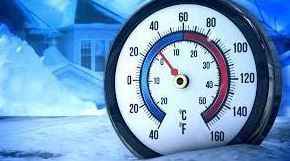 Ever notice that you “feel” colder in the winter if the wind is blowing? This is due to the windchill effect. It combines the cooling effect of temperature and wind which then drives down the “perceived” temperature. As the wind speed increases, it draws the heat from the body causing skin temperature and, eventually, internal body temperatures to do down. The wind is not changing the temperature of the air it’s changing the temperature of your body. For example: a temperature of 0° F and a wind speed of 15 mph will produce a windchill temperature of -19°. Under these conditions, exposed skin can freeze in 30 minutes.
Our body keeps a “buffer” or think layer of air next to our skin to help regulate our body temperature of 98.6°F. A strong wind can disrupt this buffer layer making us feel colder, potentially leading to hypothermia, frostbite or death. Hypothermia occurs when the body’s temperature drops too low causing uncontrollable shivering, disorientation and incoherence. Get medical attention immediately. If you can’t get help quickly:
Windchill Safety Tips
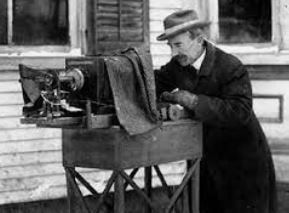
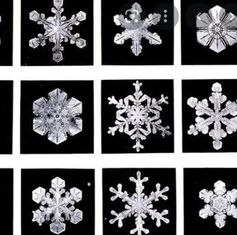
It’s often said “No two snowflakes are alike”. But, is this really true? One man, Wilson A. Bentley, a farmer and amateur meteorologist dedicated himself to answering this question by observing flakes of snow for 50 years.
William Bentley was born in 1865 and raised on a farm in Jericho, Vermont. As a homeschooled child, he had a deep love of nature. On his 15th birthday Wilson received a microscope and when he got a glimpse of a six-sided snowflake that was the beginning of his snowy fascination. At 17, Wilson’s parents bought him a new microscope and a camera. He spent two years figuring out how to take a picture of a snowflake under the microscope. On January 15, 1885 he created the world’s first micro photograph of a snowflake. Wilson Bentley became known as “Snowflake Man” throughout the village. Bentley captured over 5,000 images and was the first person to recognize that now two snowflakes were alike. He developed a technique for photographing these crystals which scientist’s still use today. Slowly people became interested in Bentley’s work. In 1920 he became one of the first members of the American Meteorological Society. Bentley’s proudest moment came in 1931 with the publication of his book “Snow Crystals” which contained 2,453 of his snowflake photos. He was the first American to record raindrop sizes and one of the first cloud physicists. Wilson Bentley, “Snowflake Man”, died of pneumonia at his farm on December 23, 1931. |
AuthorsCurrent and former staff members have contributed to our newsletter over the years. Now the articles are available to view here on our blog Categories
All
|
 RSS Feed